Virtual Reality (VR) is the complete emersion of a person into a virtual world a place that is not normally accessible in a short amount of time such as travel to another country or moving into a completely different world. Virtual reality made a large impact in the computer game industry and slowly moving into education for the betterment of learning and creative thinking.
CoSpace is an online program that allows for the creation of a virtual world. CoSpace combines 360o photography and coding to create an environment that is unique with the use of different characters that are available. CoSpace can be used in conjunction with Google Cardboard or something similar in which a mobile device can slip in and you can experience the CoSpace environment with the full emersion of Virtual Reality. The use of CoSpace allows for children to get creative with VR and can be utilised in different lessons for example HSIE or Science to explore different areas of the world or different planets giving students the ability to explore have a proper feeling of their virtual surroundings thereby facilitate experiential learning that would otherwise be impossible (Southgate, 2018).
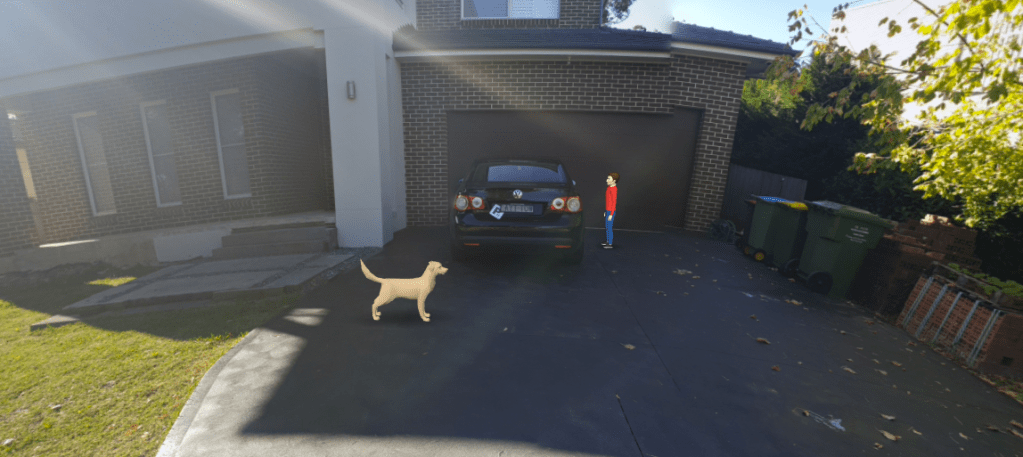
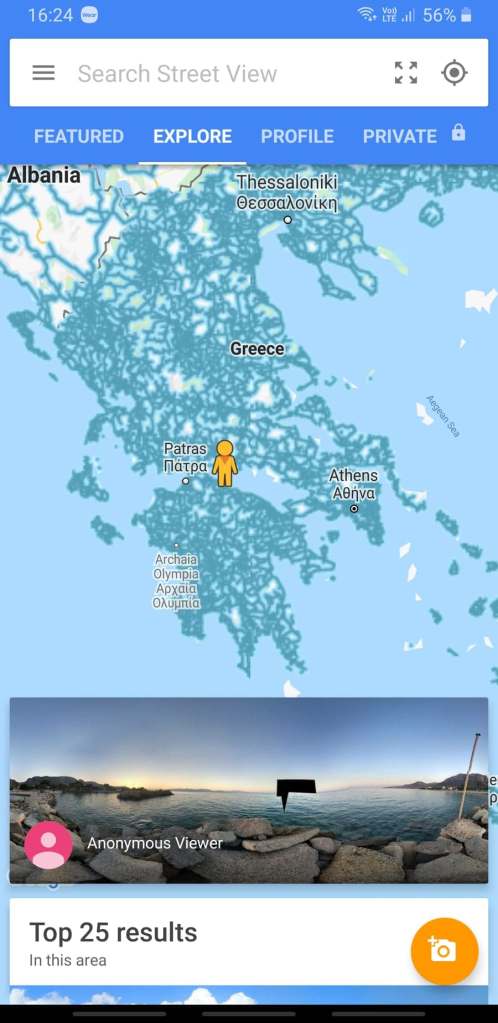
Google Street view is another technology that can be integrated into the classroom that can be utilised by virtual reality. Google street view allows for users to travel anywhere in the world and by using Google street view with virtual reality it gives a sense of scale as if the user is driving past a particular place in a bubble (Southgate, 2018). Furthermore the utilisation of Google Street view it allows for excursions to be had in challenging times such as right now with the Covid-19 pandemic in which recreation and educational travel is highly restricted using virtual reality can be a great alternative for students to explore the world and thus foster creativity in a variety of subjects.
The use of Virtual Reality in the classroom is a way to foster creativity within students and allows them to create and explore different worlds and different parts of our own world, particularly in these challenging times. By allowing for the integration of VR in the classroom it allows for different views and understandings of the world around us (Southgate, 2018).
Southgate, E. (2018). Immersive virtual reality, children and school education: A literature reviewfor teachers. DICE Report Series Number 6. Newcastle: DICE Research. Retrievedfrom http://dice.newcastle.edu.au/DRS_6_2018.pdf
 EDUC3620 Digital Creativity and Learning